
Geothermal Quietly Builds Momentum in the United States
Geothermal energy is beginning to take on a larger role in the U.S. energy system, driven by steady capacity growth, a rising project pipeline, and major advances in drilling and reservoir technology.
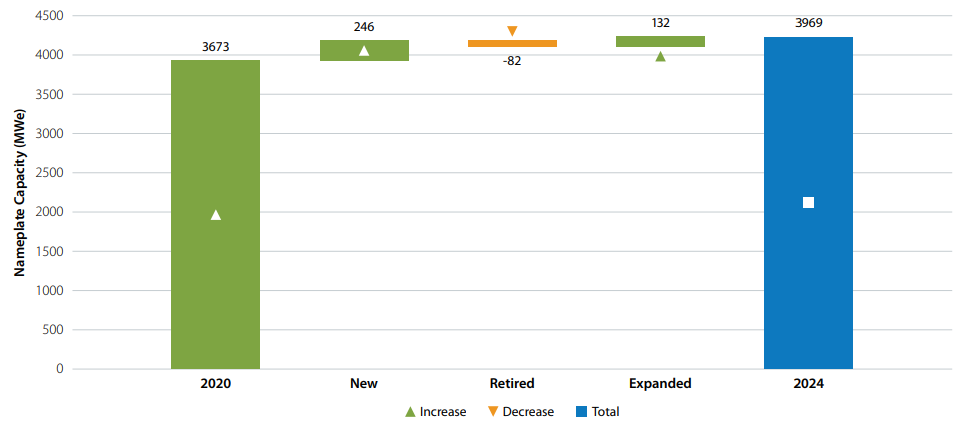
U.S. geothermal power capacity now sits at just under 4,000 megawatts-electric (MWe) — roughly 4 gigawatts — up around eight percent since 2020. While this growth is modest compared with solar and wind, it signals a stable and expanding sector rather than a stagnant one. Most geothermal power plants remain concentrated in western states such as California and Nevada, where high-quality underground heat resources are most accessible.
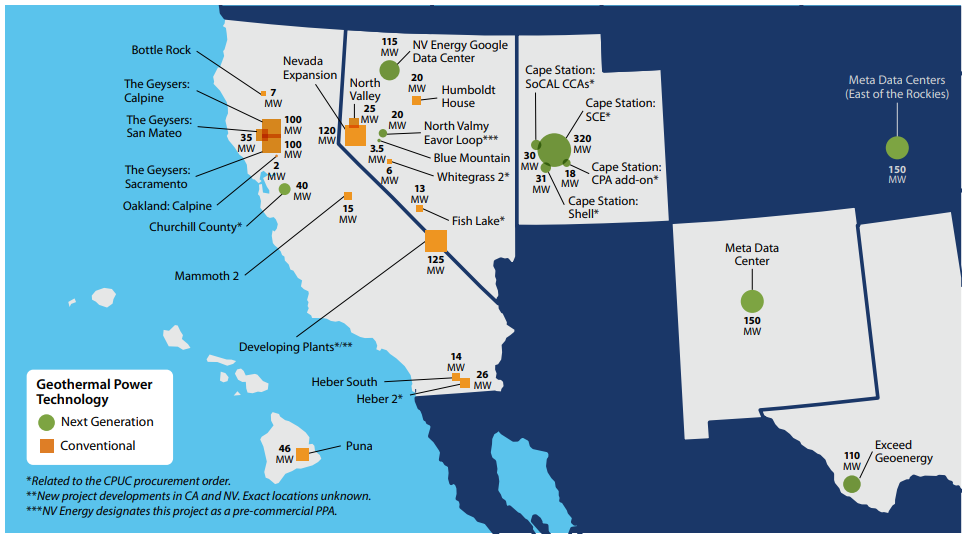
More importantly, future growth is shaping up to be larger than recent history suggests. Since 2021, developers have signed 26 new power purchase agreements covering more than 1.6 gigawatts of geothermal capacity scheduled for development. Many of these deals are tied to California’s push for firm, high-capacity clean electricity, while others reflect growing interest from corporate buyers.
Technology companies have emerged as notable customers. Google and Meta have both signed agreements to source geothermal electricity for data centers, attracted by geothermal’s ability to deliver constant, around-the-clock power rather than weather-dependent output.
This expanding pipeline is closely linked to next-generation geothermal technologies. Enhanced Geothermal Systems (EGS) create engineered reservoirs in hot, dry rock, allowing projects to move beyond naturally permeable geothermal fields. Recent demonstrations in Utah and New Mexico have shown commercially viable flow rates, while companies are drilling deeper, hotter wells and experimenting with closed-loop designs.
These advances matter because geothermal offers something few other clean energy sources can: continuous, dispatchable power. That makes it valuable for grid reliability, extreme-weather resilience, and energy security. The U.S. Department of Defense has already backed multiple geothermal projects at military installations to strengthen on-site power supply.
Beyond electricity, geothermal’s largest long-term opportunity may be in buildings. More than one million geothermal heat pumps are already operating in U.S. homes and commercial buildings. These systems use stable underground temperatures to deliver highly efficient heating and cooling, cutting energy consumption and reducing winter and summer peak demand.
Interest is growing in Thermal Energy Networks, which connect multiple buildings to shared underground loops. Several states are supporting utility-owned network pilots, including a project in Massachusetts that links dozens of homes and businesses to a single geothermal loop — a model that could enable neighborhood-scale decarbonization.
Geothermal is also being explored for underground thermal energy storage, hybrid plants that pair geothermal with solar, and mineral extraction from geothermal brines, particularly lithium. Together, these applications point to a broader future in which geothermal becomes not just a niche power source, but a multi-purpose clean energy platform.