
U.S. Eases Oil and Gas Rules to Cut Energy Costs
The U.S. Environmental Protection Agency has revised regulations on oil and gas operations, aiming to reduce costs for producers and support domestic energy supply.
The changes roll back parts of 2024 rules, with officials estimating savings of around $2.5 billion over 15 years. Updates include extending limits on gas flaring during maintenance and reducing monitoring requirements in some cases, easing the regulatory burden on operators.
The move is expected to make it easier for companies to maintain production levels, at a time when energy security and affordability remain key priorities. Lower compliance costs could also feed through into broader energy markets.
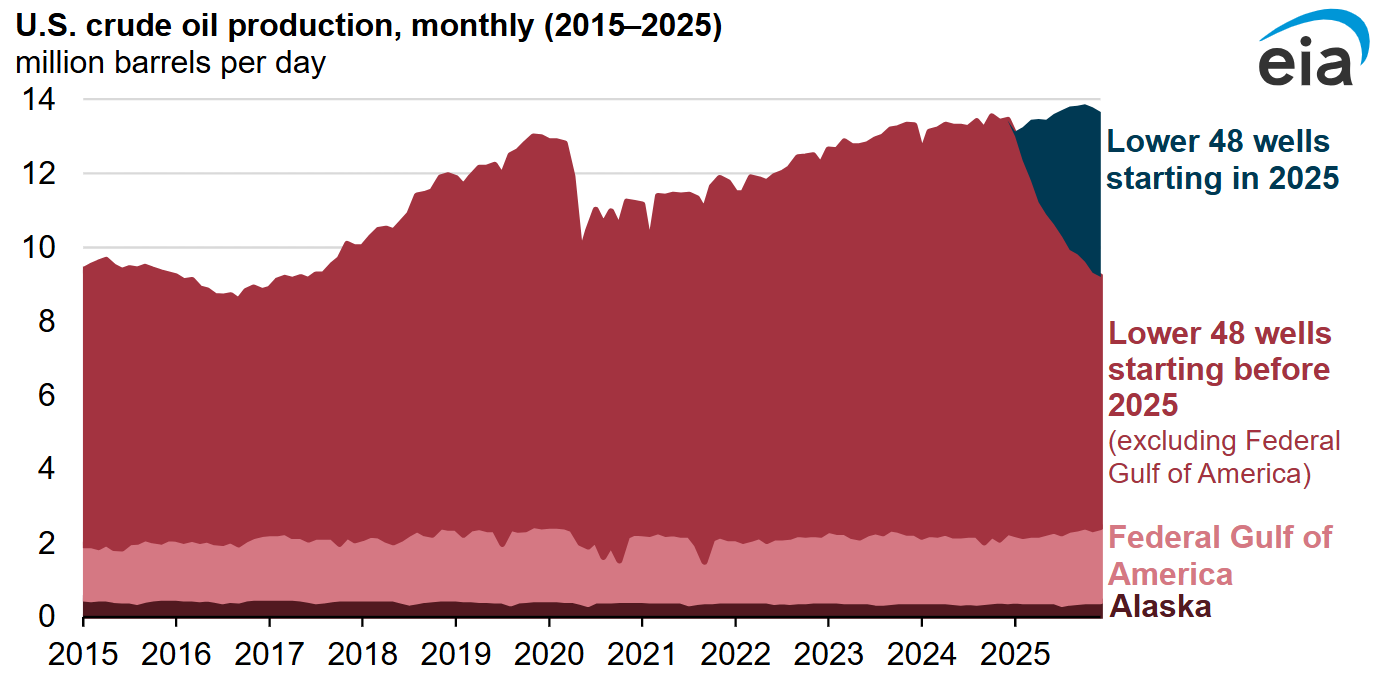
The changes also come as U.S. oil production continues to show strong momentum. Output reached a record 13.6 million barrels per day in 2025, even as drilling activity declined, with efficiency gains allowing producers to extract more from fewer wells. This trend highlights how technological improvements and cost pressures are reshaping the industry alongside evolving policy.
However, questions remain over the longer-term impact. Changes to monitoring and flaring rules may reduce oversight in parts of the system, raising concerns about emissions and environmental standards as production continues.
The update reflects a wider shift in U.S. energy policy, where cost, supply, and resilience are taking priority, alongside a reduced emphasis on climate goals.