

Barrow EnergyDock: UK’s Largest Floating Solar Project Planned for Cavendish Dock
Plans for the UK’s largest floating solar energy project are taking shape as Associated British Ports (ABP) submits a planning application for Barrow EnergyDock. The project, set to be installed in Cavendish Dock at the Port of Barrow, would have a maximum generating capacity of up to 40 megawatt-peak (MWp)—the amount it could produce under ideal sunlight conditions. In practical terms, this is enough electricity to power approximately 14,000 homes per year, primarily supporting Barrow’s advanced engineering sector.
China’s Green Dominance, EU’s EV Bus Boom, and a GDP Shake-Up
From clean energy manufacturing dominance to shifts in how economies measure natural resources, this week’s top energy stories highlight major global trends. China’s grip on renewable energy supply chains continues to expand, while electric buses gain momentum across Europe. Meanwhile, a new UN-approved economic framework will recognize wind and waves as assets for the first time, potentially reshaping GDP calculations.

Ofgem’s Zero Standing Charge Tariff Plans: What It Means for Consumers
The way UK households pay for energy could be set for a significant shift. Ofgem, the UK’s energy regulator, has proposed a rule requiring all suppliers to offer tariffs with low or zero standing charges. Rather than a fixed daily fee, these costs would be incorporated into the price consumers pay per unit of energy used.

Transmission Grid Challenges, Emerging Markets, and Solar Innovations
This week’s top energy stories explore the rapid transformation of global energy systems. Grid expansion faces supply chain bottlenecks, emerging markets position themselves as future clean energy hubs, and solar canopies take efficiency to the next level. Plus, a look at China's evolving tech-industrial ecosystems and a decade of global EV sales.
2025 U.S. Energy Expansion: Solar & Battery Surge Despite Policy Shifts
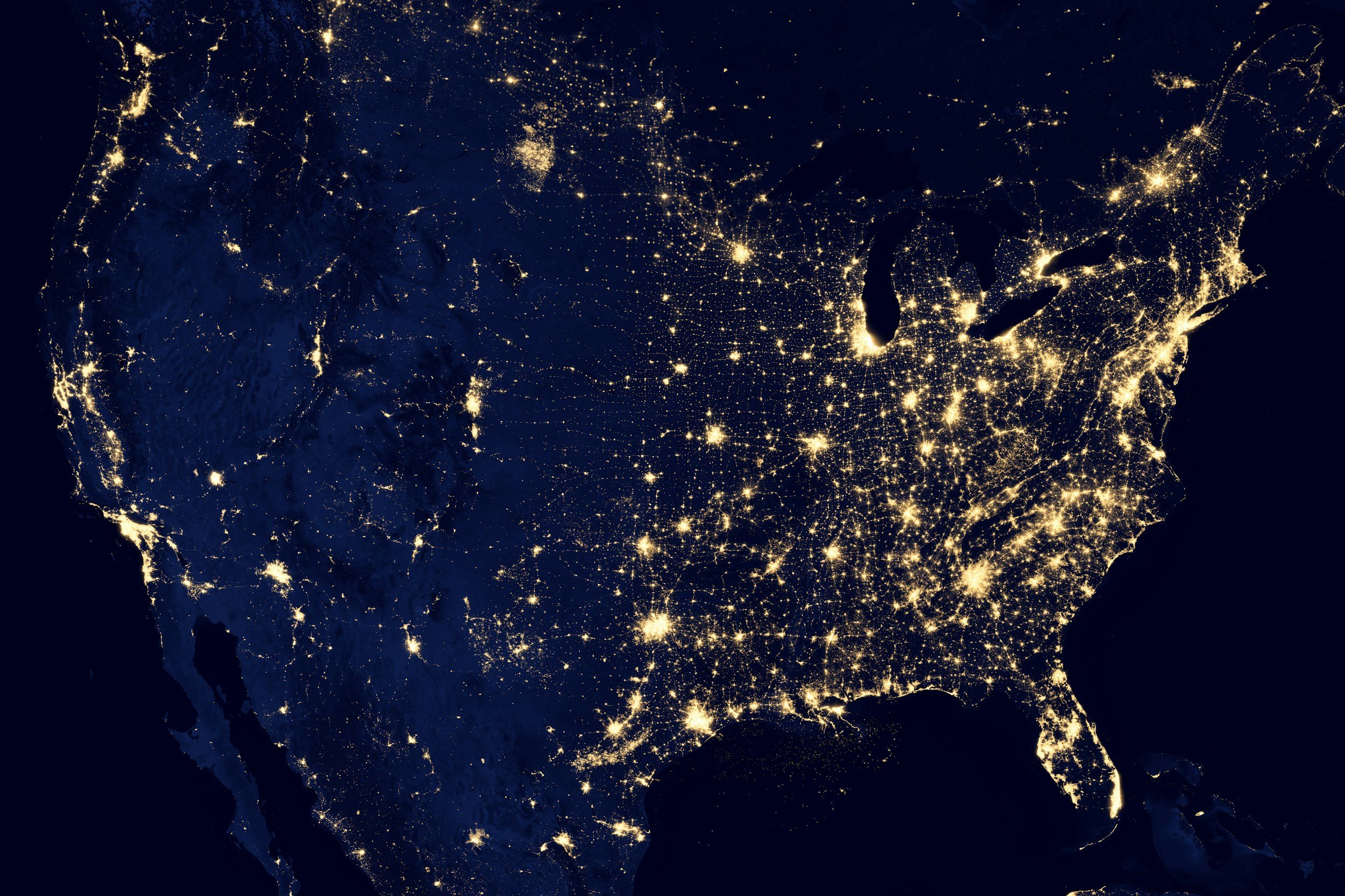
The U.S. energy sector is on track for significant growth in 2025, with 63 gigawatts (GW) of new utility-scale electric-generating capacity expected—nearly 30% more than in 2024, according to the latest Energy Information Administration (EIA) report. This marks the largest annual increase since 2002. Solar and battery storage will dominate, accounting for 81% of total capacity additions, while wind will see moderate growth and natural gas remains a key part of the mix.
Ukraine-U.S. Natural Resources Deal: What’s at Stake in Minerals and Energy
Ukraine and the United States have reached an agreement over access to Ukraine’s vast natural resources. The draft deal outlines joint development of Ukraine’s resources, including oil, gas, and critical minerals. Ukraine possesses a diverse range of mineral resources, making it a key supplier of various essential materials. Its reserves include iron ore, manganese, titanium, lithium, graphite, and uranium, all of which contribute to industries such as steel production, renewable energy, and advanced technologies.

Clean Energy Investments, Gas Phase-Outs, and Hydrogen Innovation
From major clean energy investments to shifts in fuel technologies, this week’s top energy stories highlight key trends shaping the global energy landscape. Governments continue to pour trillions into clean energy, German cities are taking bold steps to phase out gas networks, and PHEV sales across Europe may have hit their peak. Meanwhile, Honda is making major strides in hydrogen fuel cell technology, and a new ranking reveals the world’s most valuable natural resource reserves.

Chris Wright Defends Fossil Fuels, Criticizes Net Zero in First International Address as US Energy Secretary
In his first international appearance since being confirmed as US Energy Secretary, Chris Wright delivered a forceful address at ARC 2025, a global energy summit attended by policymakers, industry leaders, and investors. Speaking via video link, Wright outlined his vision for American energy policy, emphasizing a commitment to "energy addition, not energy subtraction," while sharply criticizing Net Zero goals as "unachievable" and "a sinister goal."

Paris AI Summit: Global Agreements, Divisions, and a New Push for Sustainable AI
The Artificial Intelligence (AI) Action Summit, held on February 10 and 11, 2025, at the Grand Palais in Paris, brought together world leaders, tech CEOs, researchers, and civil society representatives to shape the future of AI. The summit focused on governance, innovation, economic impacts, and the environmental consequences of AI's rapid expansion.
UK Government Fast-Tracks Nuclear Expansion with Major Planning Reforms
In a major push to strengthen energy security and meet net-zero commitments, the UK government has announced sweeping reforms to fast-track nuclear power development. The changes, which remove planning restrictions and introduce regulatory streamlining, aim to make nuclear a cornerstone of Britain’s clean energy transition.

Chris Wright & Doug Burgum Confirmed as Trump’s Energy and Interior Secretaries
Chris Wright and Doug Burgum have been confirmed as Secretary of Energy and Secretary of the Interior, respectively. Their appointments signal a strong push for domestic energy expansion and regulatory reform under the Trump administration.

Offshore Wind Expansion: UK Fast-Tracks 16GW of Clean Energy
The UK is uniquely positioned to be a global leader in wind energy. With its extensive coastline, strong prevailing winds, and relatively shallow waters, the country has long been at the forefront of offshore wind development. Now, the government is taking decisive steps to accelerate the sector’s growth, clearing the way for a new wave of clean energy investment.

Floating Wind: Latest Breakthroughs and Global Developments
Floating wind energy is revolutionizing renewable power generation by enabling the use of offshore turbines in deeper waters. Unlike traditional fixed-bottom turbines, floating technology harnesses stronger, more consistent wind speeds far offshore, unlocking vast potential for clean energy. With global energy transitions accelerating and climate goals looming, floating wind has become a critical frontier in the renewable sector.

Trump Reshapes U.S. Energy Policy on Day One: Key Executive Orders and Their Impacts
On January 20, 2025, President Donald Trump took immediate action to overhaul the nation’s energy policies, signing a series of executive orders that signaled a dramatic shift in priorities. These orders address domestic energy supply, renewable energy projects, and regulatory policies, setting the stage for a new era of energy production and governance in the United States.
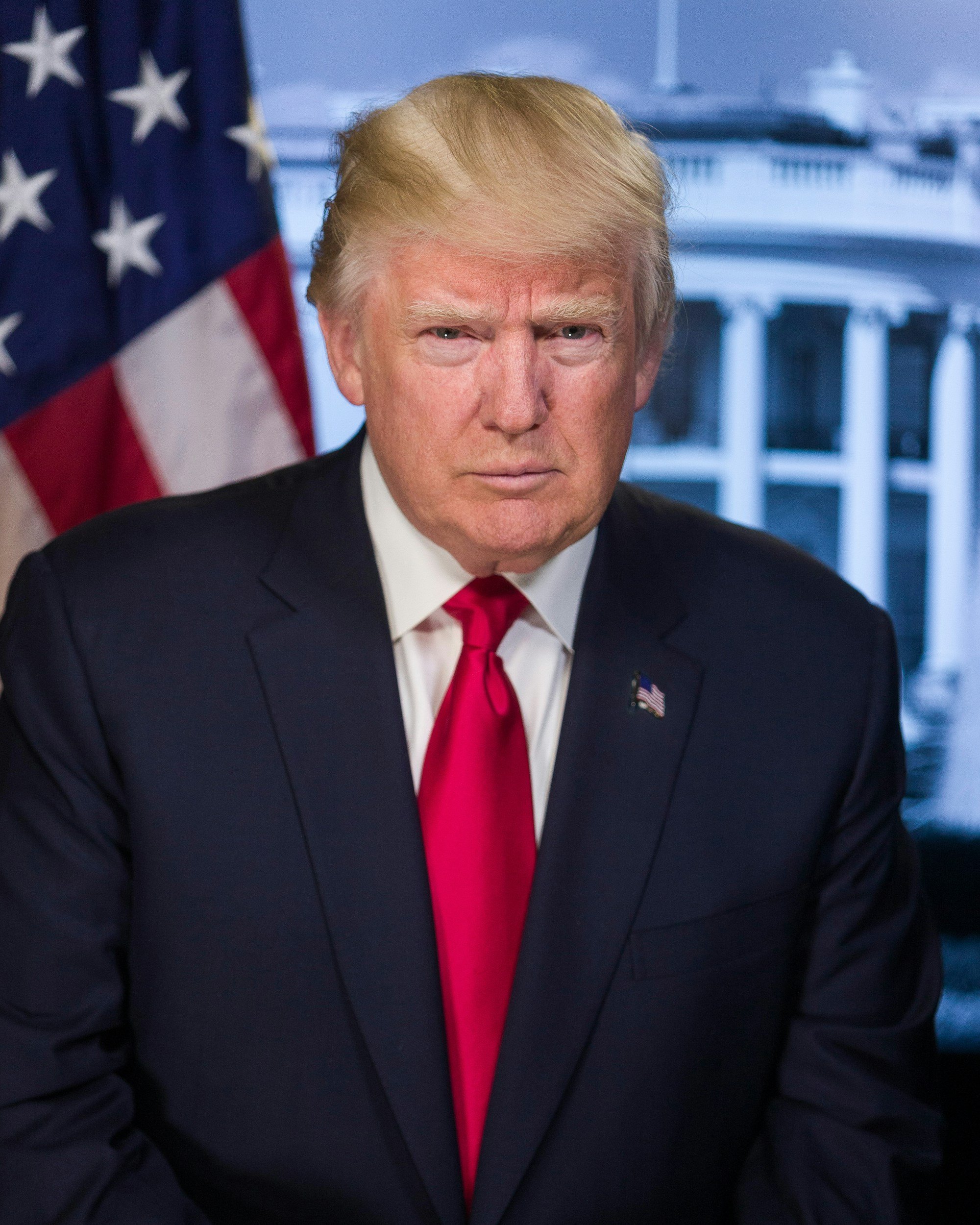
Trump Declares National Energy Emergency on Inauguration Day
In his inauguration speech on January 20, 2025, President Donald Trump reaffirmed his commitment to America’s energy dominance, promising bold actions to secure energy independence and support American industries. Energy was a key theme of his address, highlighting the importance of fossil fuels, reducing regulations, and prioritizing domestic production.
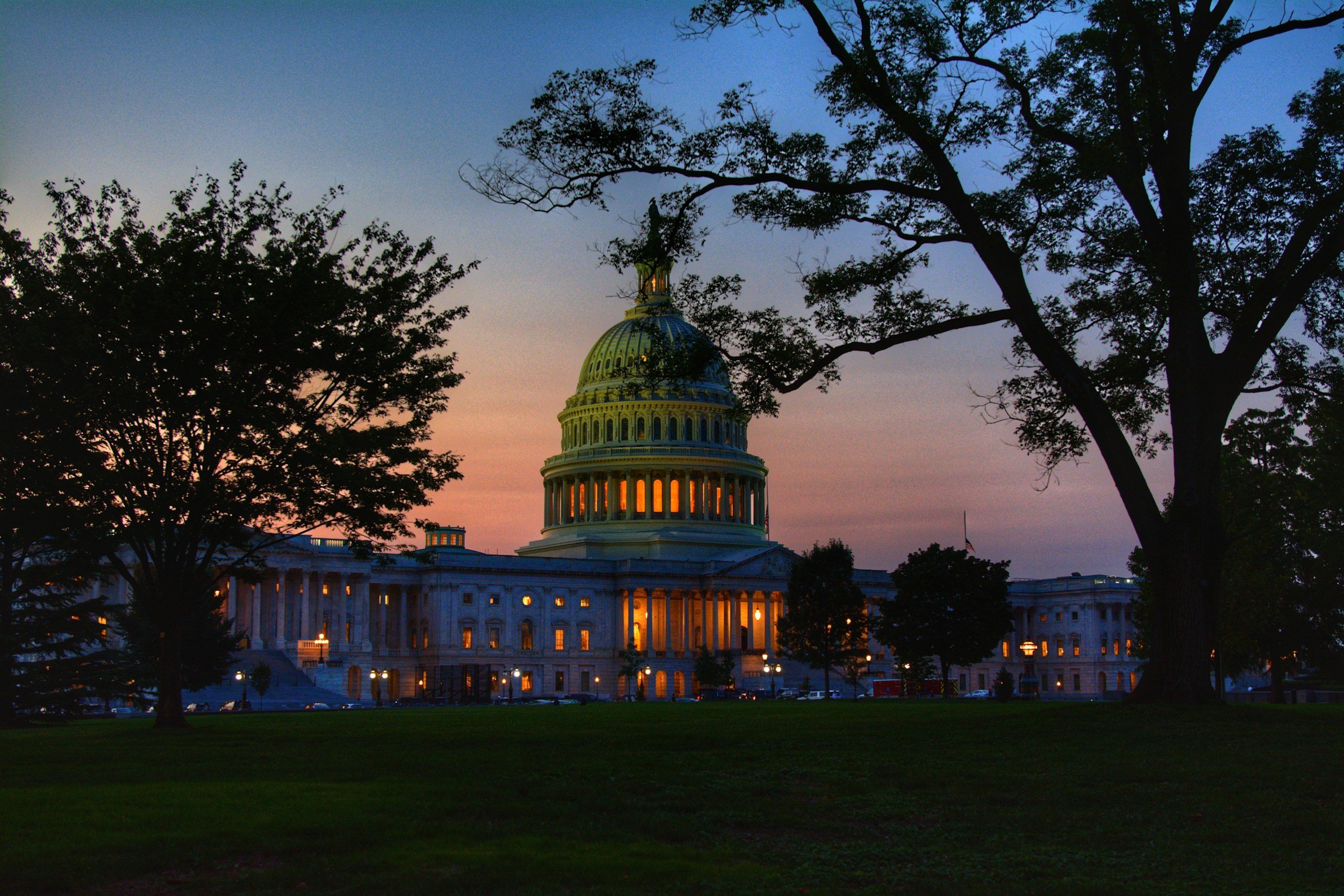
Doug Burgum Energy Profile – Nominee for Secretary of the Interior and Head of the National Energy Council
Doug Burgum is the former Governor of North Dakota, a position he held from 2016 to 2024. Prior to entering politics, Burgum had a distinguished career in business, notably as the founder of Great Plains Software, which was acquired by Microsoft in 2001. Following the acquisition, he served as a Microsoft executive, overseeing various initiatives and demonstrating a keen ability to navigate complex organizational landscapes.

Chris Wright Energy Profile: Insights into the Potential Secretary of Energy
Chris Wright is the CEO of Liberty Energy, a prominent oilfield services company known for its focus on hydraulic fracturing technology and innovations in energy production. Wright holds a degree in Mechanical Engineering from MIT and has spent his career championing advancements in energy technology, with a particular emphasis on domestic energy production.

AI and Energy: The UK’s Path to Becoming a Clean Energy Superpower
The UK government has unveiled plans to interweave artificial intelligence (AI) with energy policy, signaling a bold approach to addressing the dual challenges of escalating energy demands and transitioning to clean energy. Central to this vision is the creation of a dedicated AI Energy Council, co-chaired by the Science and Energy Secretaries.

The UK's AI Action Plan: Opportunities, Challenges, and the Road Ahead
The UK government has revealed an ambitious plan to position artificial intelligence (AI) at the heart of its strategy for national renewal. The initiative, unveiled by Prime Minister Keir Starmer on January 13, 2025, outlines a comprehensive vision to harness AI's transformative power for economic growth, job creation, and public service reform.
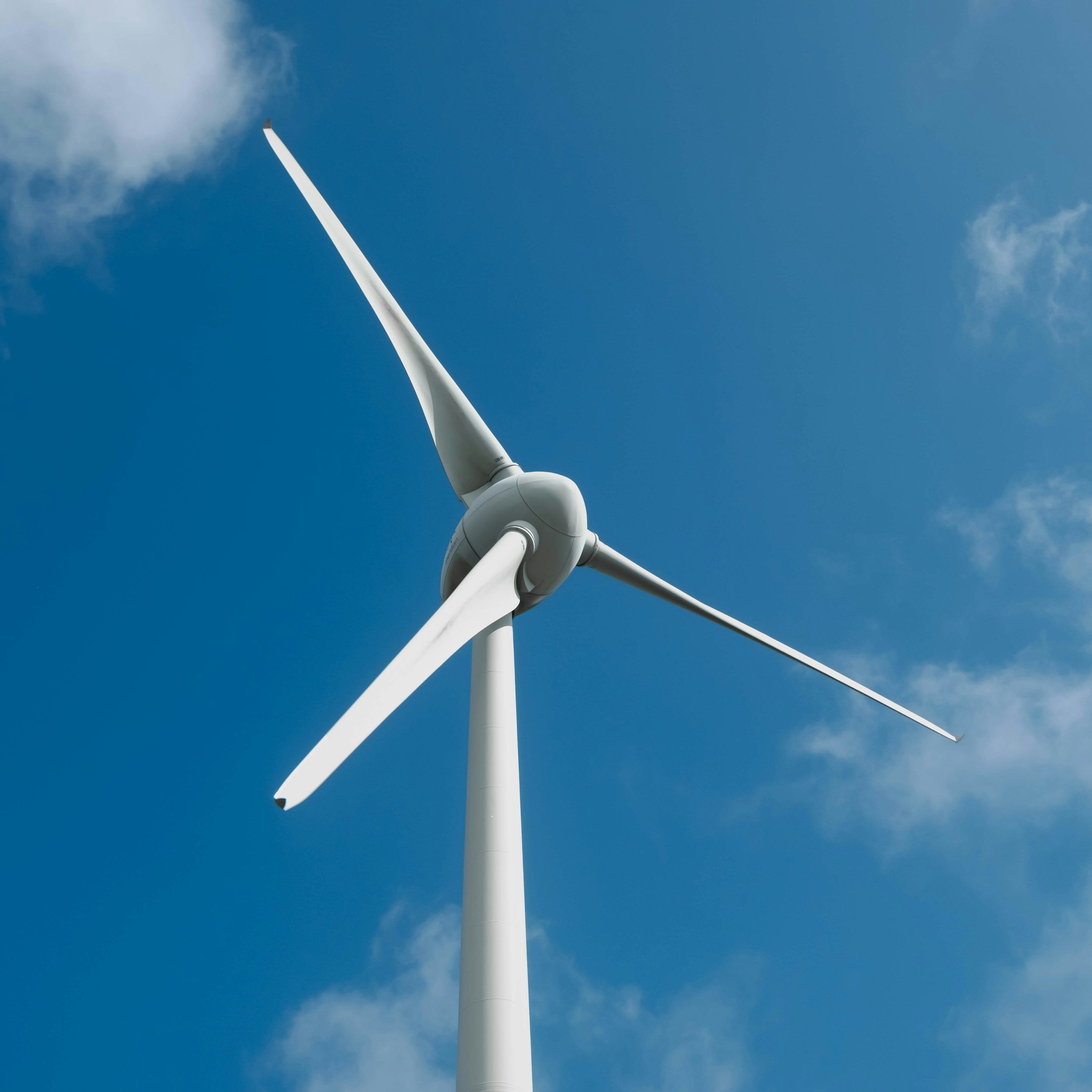
Trump Slams Wind Energy: Policy Plans Revealed
At a press conference held at Mar-a-Lago, U.S. President-elect Donald Trump declared his intent to end the construction of wind turbines across the country, stating, “We’re going to try and have a policy where no windmills are being built.” Trump framed wind energy as an inefficient and environmentally harmful choice, emphasizing his administration’s commitment to prioritizing fossil fuels and natural gas.