

Balancing Act: Navigating Renewable Energy’s Intermittency, Demand, and Storage Challenges
The demand for electricity in everyday life is increasing rapidly and is projected to grow significantly in the future. Two key drivers for future growth are the rising adoption of electric vehicles and the expanded use of heat pumps for heating the home. Simultaneously, countries worldwide are integrating more low-carbon energy sources into their power grids to hit climate goals. However, challenges persist due to the intermittent nature of renewable energy sources.

The United Kingdom's Path to Net Zero
The UK in 2019 became the first major economy to legislate a binding target for achieving net zero emissions by 2050.
In the future, electricity use in the UK is anticipated to rise significantly due to the widespread adoption in transport and heating as part of the country's low-carbon transition. To meet this growing demand while achieving net-zero emissions, the UK will increasingly rely on renewable energy sources and nuclear power.
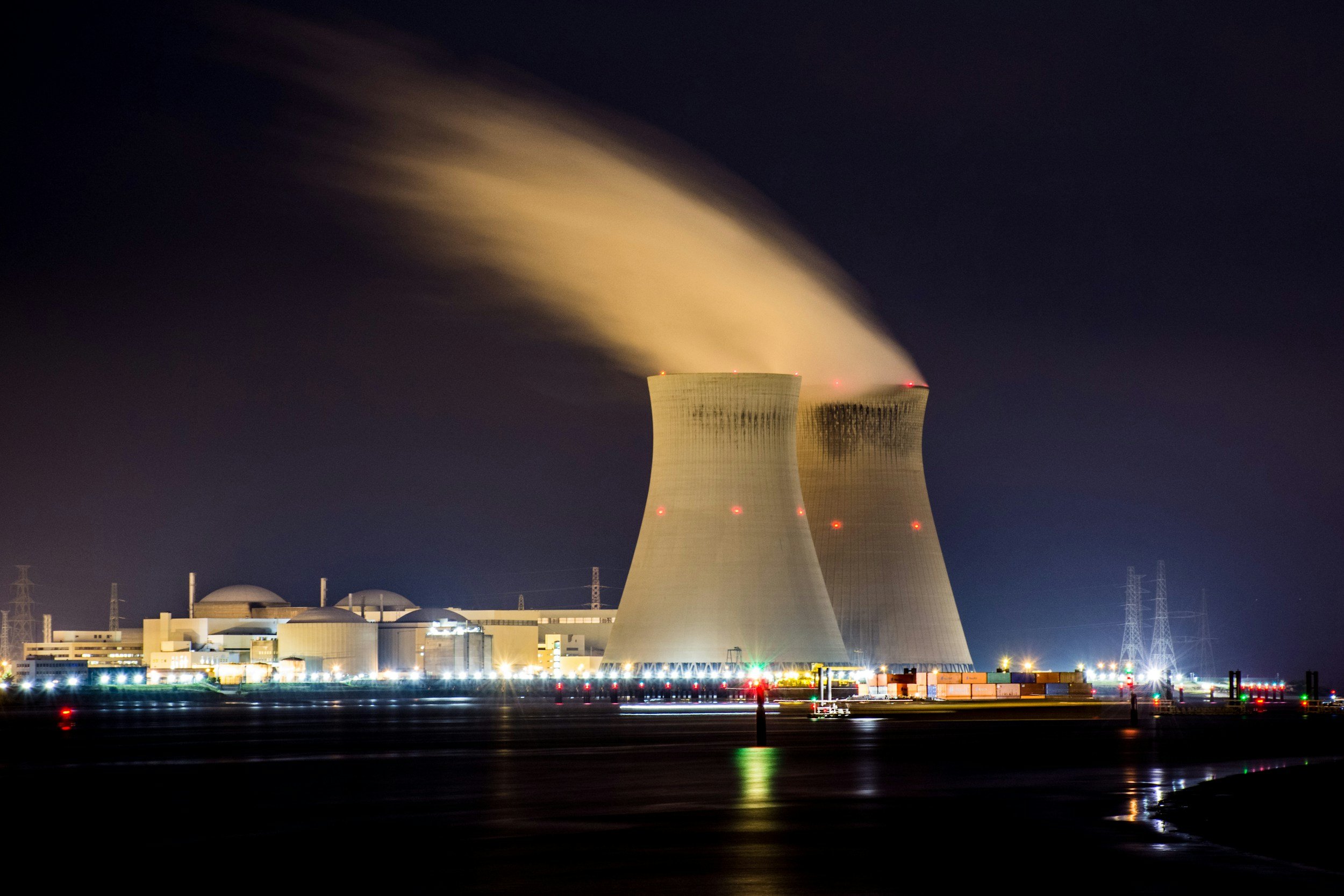
Future of Nuclear Energy supporting Sustainable Energy
Nuclear power looks set to support the future of clean, sustainable energy systems globally. Its high efficiency and reliability position it well to complement intermittent renewable sources, contributing to a more stable and resilient energy grid. This holds promise in achieving energy goals and bolstering nations' energy security.
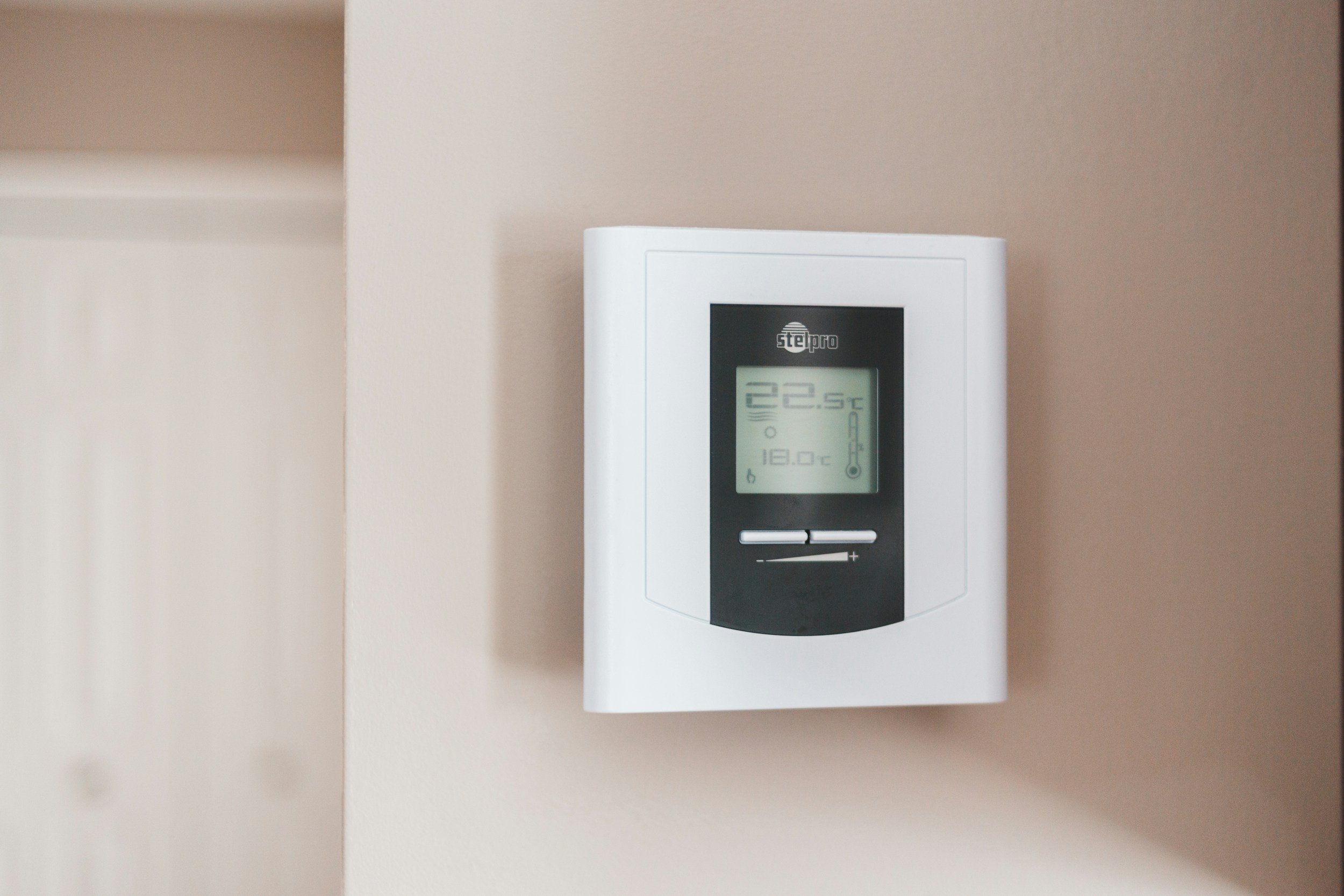
Heat Pumps - Financial Incentives
Governments around the world are increasingly turning their attention to heat pumps as a key technology in the transition towards more sustainable and efficient energy systems. The UK currently has approximately 412 heat pumps per 100,000 people, significantly lower than the European average of 3068 heat pumps per 100,000 people. In line with the UK's climate change targets, the government aims to install 600,000 low-carbon heat pumps annually by 2028.

Energy - A Progressive Pricing Model
A progressive pricing model that offers financial incentives to promote change in energy-consuming behavior. A four tier approach where electricity prices rise in response to consumption thresholds. Every consumer starts at tier one with pricing increasing by 10p for every 1,500 kWh consumed.