
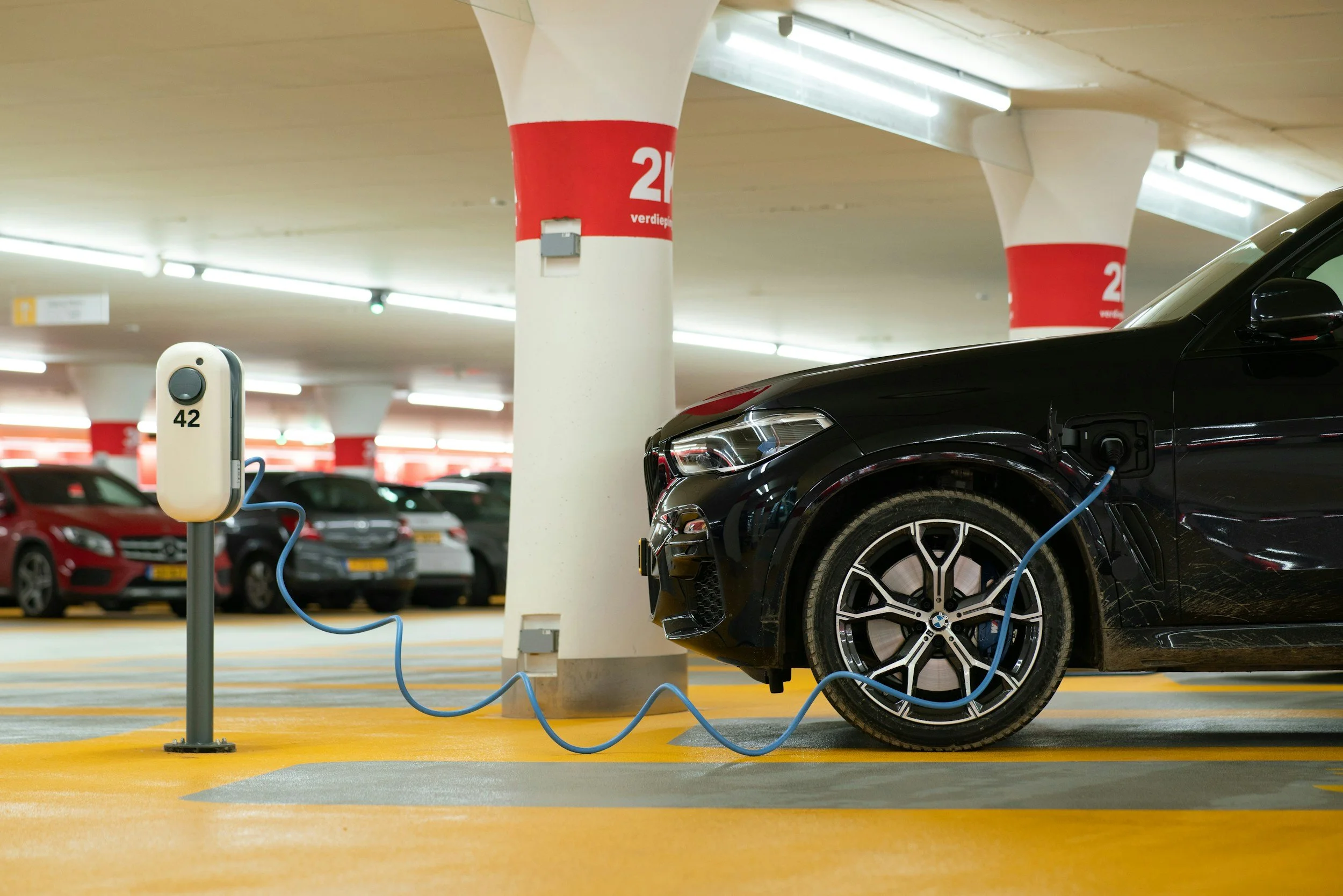
How the New UK EV Mileage Tax Will Shape the Market
The Office for Budget Responsibility (OBR) has published its assessment of the government’s new mileage tax for electric vehicles—a policy that represents one of the most significant shifts in the UK’s motoring tax system in decades. For years, EVs have benefited from lower running costs and exemptions from most fuel-related charges, helping accelerate adoption as the government pushes toward its 2030 electric sales mandate.

UK Budget 2025: North Sea Plan Allows Limited New Extraction Through ‘Transitional Energy Certificates’
The government has unveiled its North Sea Future Plan — a wide-ranging package that keeps the promise of no new oil and gas exploration licences, but introduces a new mechanism that will still allow additional extraction from existing areas of the basin.
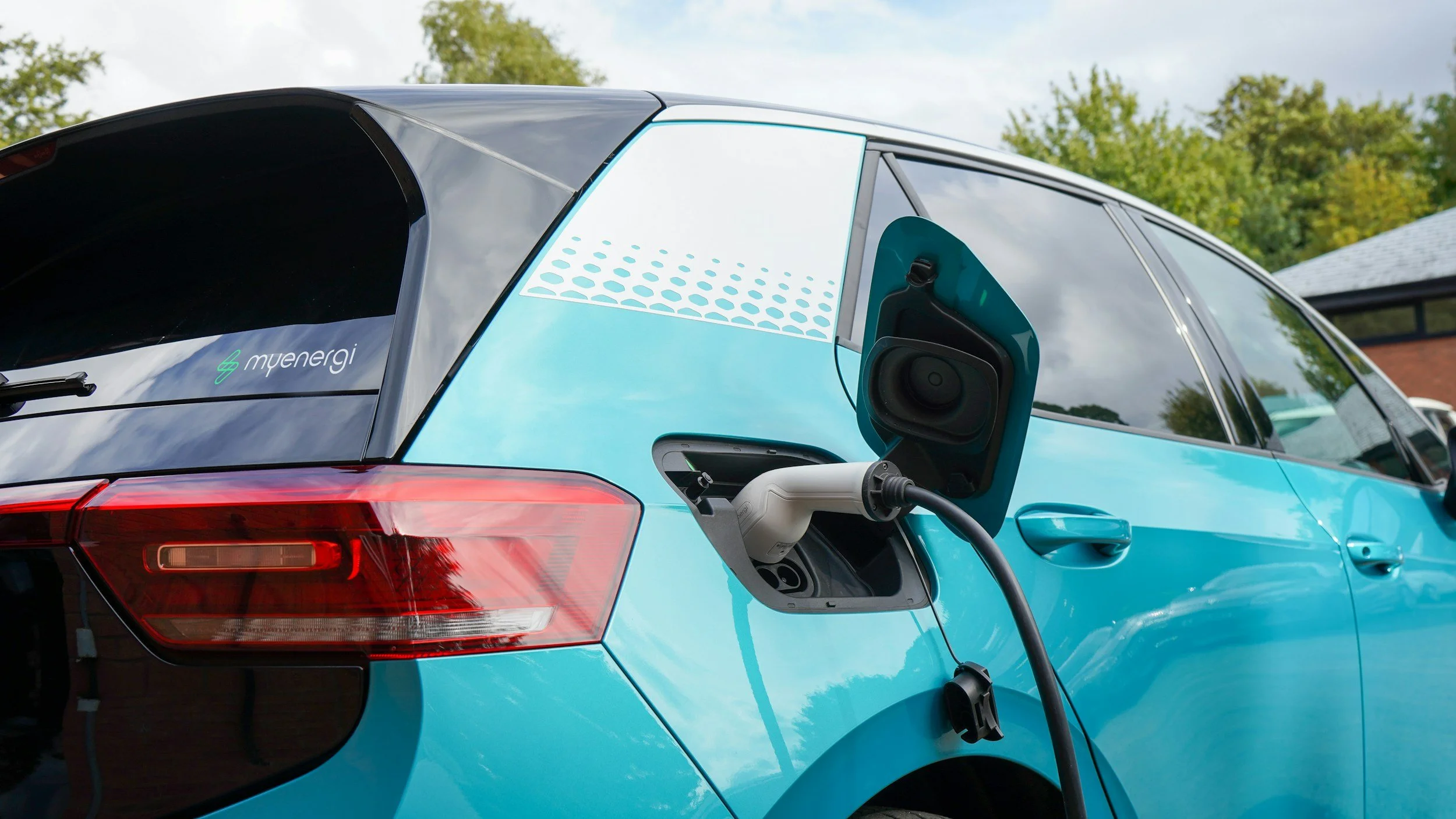
UK Budget 2025: What the New Electric Car Tax Means for Drivers
The 2025 Budget introduces the biggest change to how electric cars are taxed since EVs first went mainstream. With fuel duty set to collapse as more people switch from petrol and diesel, the government is reshaping the system so that EVs contribute to road funding while keeping the transition affordable for drivers.
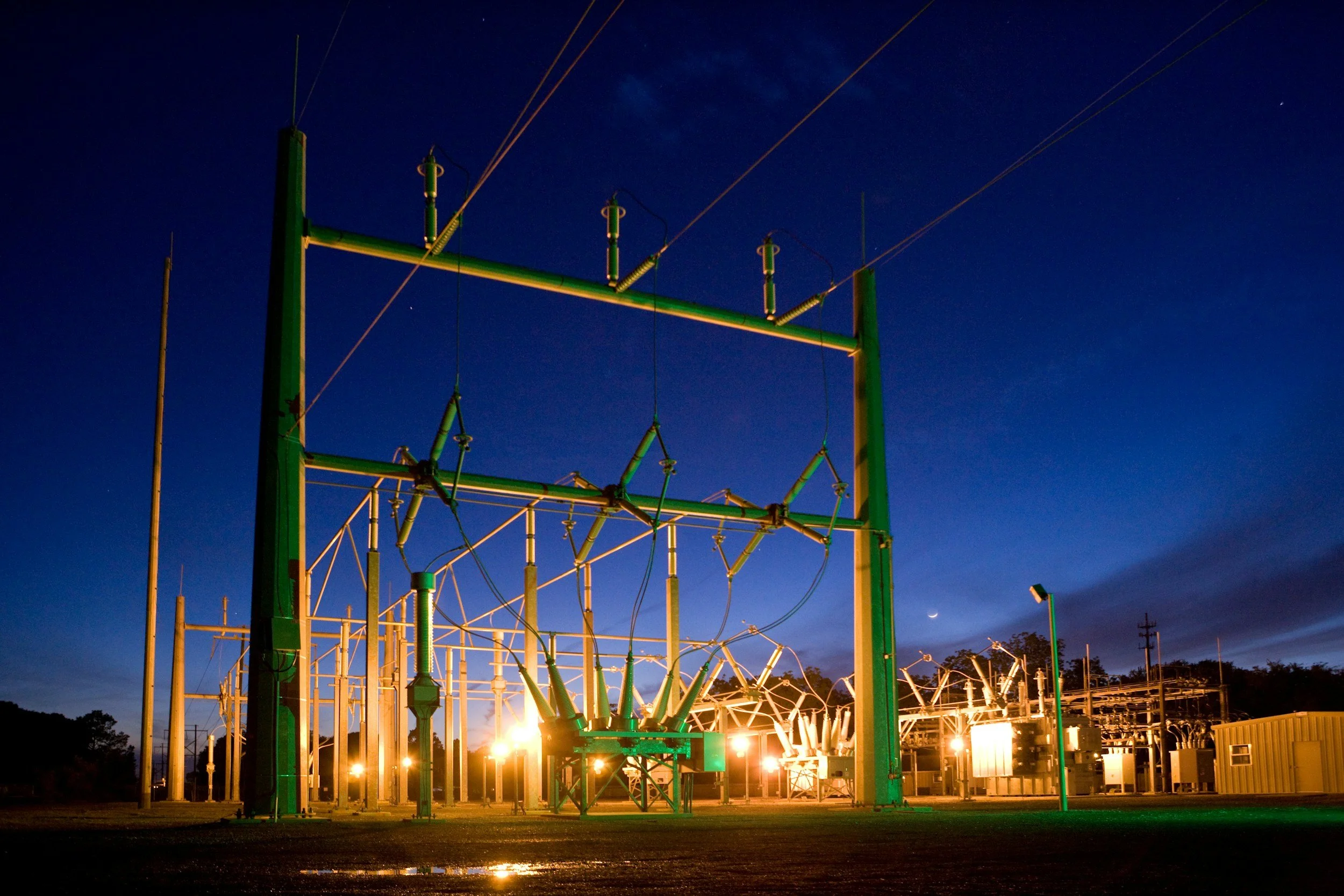
Nuclear Review 2025: UK Sets Out Blueprint to Fix a Broken System
The UK’s Nuclear Regulatory Taskforce has released its long-awaited Nuclear Regulatory Review 2025, calling for a radical overhaul of how nuclear projects are approved, overseen, and delivered. Led by economist John Fingleton, the report argues that Britain’s nuclear sector is now the world’s slowest and most expensive — not because of technology, but because of systemic regulatory failure and extreme risk aversion.

Texas Builds Big, Australia Accelerates & Grids Strain
Global energy demand keeps rising, Texas is building clean power at record speed, Australia is racing toward a nearly all-renewable grid, and battery recycling is becoming a critical part of mineral supply. Meanwhile, electricity prices continue climbing — not because of fuel shortages, but because grids worldwide are under intense infrastructure pressure.

COP30 Ends in Compromise But Falls Short on Fossil Fuel Roadmap
COP30 has closed in Belém after more than 18 hours of overtime negotiations, ending with a compromise deal that many countries say falls short of what the moment demanded. Despite intense pressure from over 80 nations to lock in a roadmap for phasing out fossil fuels, the final text avoids any direct reference to oil, gas or coal — a major omission given they remain the main drivers of climate change.

IAEA Lifts Nuclear Growth Outlook Again as Countries Seek Firm Power for a High-Demand Future
The International Atomic Energy Agency (IAEA) has raised its long-term nuclear power projections for the fifth consecutive year, reflecting renewed global interest in firm, low-carbon electricity as demand accelerates and more countries look to balance rapid renewable growth with reliable baseload supply.

80+ Countries Push for Fossil Fuel Phase-Out Roadmap as COP30 Enters Its Final Days
More than 80 countries are now openly calling for a roadmap to phase out fossil fuels as COP30 enters its tense final stretch in Belém — a coordinated push that has quickly become the summit’s defining fight. The cross-regional coalition, spanning Africa, Asia, Latin America, the Pacific and Europe, wants a transition away from fossil fuels to be the core outcome of the talks, reviving language first agreed at COP28 but never turned into a plan.

Oil’s Long Plateau, Clean Power Records & Texas’ AI Energy Boom
This week’s energy and tech stories highlight the competing forces reshaping global power systems. Oil demand remains stubbornly high through 2050, but clean electricity continues to surge in the U.S., grid-scale storage accelerates the shift to fully dispatchable renewables, Texas cements its rise as America’s AI-energy powerhouse, and China unveils the sheer scale of its mega-solar projects.

Energy, Politics and Protest: COP30’s Opening Week in Focus
The first week of COP30 in Belém delivered an eventful mix of announcements, tensions, and emerging trends. Negotiators clashed over finance, protesters pushed climate justice back onto the agenda, and new initiatives highlighted how rapidly the landscape is shifting on forests, fuels, and the energy transition.

UK Advances Nuclear Strategy with North Wales SMR Roll-Out
The UK government has confirmed that its first small modular reactor (SMR) power station will be built at Wylfa on Anglesey, North Wales, marking a significant step in Britain’s clean-energy transition. Backed by more than £2.5 billion in investment, the project will be delivered by the state-owned Great British Energy – Nuclear and designed by Rolls-Royce SMR, with the potential to supply power to around 3 million homes.

Newsom Champions State-Led Climate Leadership at COP30
At COP30 in Belém, Brazil, California Governor Gavin Newsom did not mince words. With the U.S. federal government sending no high-level officials to the summit, Newsom stepped into the vacuum — representing his state but speaking with global ambition.
Renewable Momentum, Global EV Growth & Australia’s Free Solar Power
From record renewable additions to surging EV adoption and data centers consuming gigawatts, clean and digital energy trends are accelerating in parallel. Yet, as Australia turns surplus solar into free power, Indonesia is doubling down on coal — underscoring how uneven the global energy transition remains.

Heading into COP30: What’s at Stake in Belém
World leaders gathered in Belém, Brazil, on 6–7 November for the World Leaders Climate Action Summit — a two-day curtain-raiser to COP30, which officially runs from 10 to 21 November 2025. The event brought together heads of state, ministers, and international organizations to address the growing urgency of climate change and to reaffirm national commitments ahead of the main negotiations.

European Commission Awards €2.9 Billion for 61 Net-Zero Projects Across Europe
The European Commission has awarded €2.9 billion from the EU Innovation Fund to 61 major net-zero projects across 18 Member States, supporting the large-scale rollout of carbon capture, clean fuels, renewable hydrogen, and industrial decarbonisation.

UK Plans 3p-Per-Mile EV Tax from 2028 Amid Revenue Gap Concerns
Electric vehicle (EV) drivers could soon face a new “pay-per-mile” tax under plans being developed by UK Chancellor Rachel Reeves. The proposed charge—expected to be set at around 3 pence per mile from 2028—aims to recover £1.8 billion in lost fuel duty revenue by 2031 as electric cars replace petrol and diesel models.

AI and Nuclear: A Virtuous Circle of American Innovation, Says Energy Secretary Chris Wright
U.S. Energy Secretary Chris Wright said this week that artificial intelligence could transform how the United States designs, builds, and operates nuclear power plants, calling it a “virtuous circle” that strengthens both technologies. Speaking on Fox News, Wright explained that AI can “rapidly accelerate our ability to make nuclear reactors fast, cheap, and get more power.”
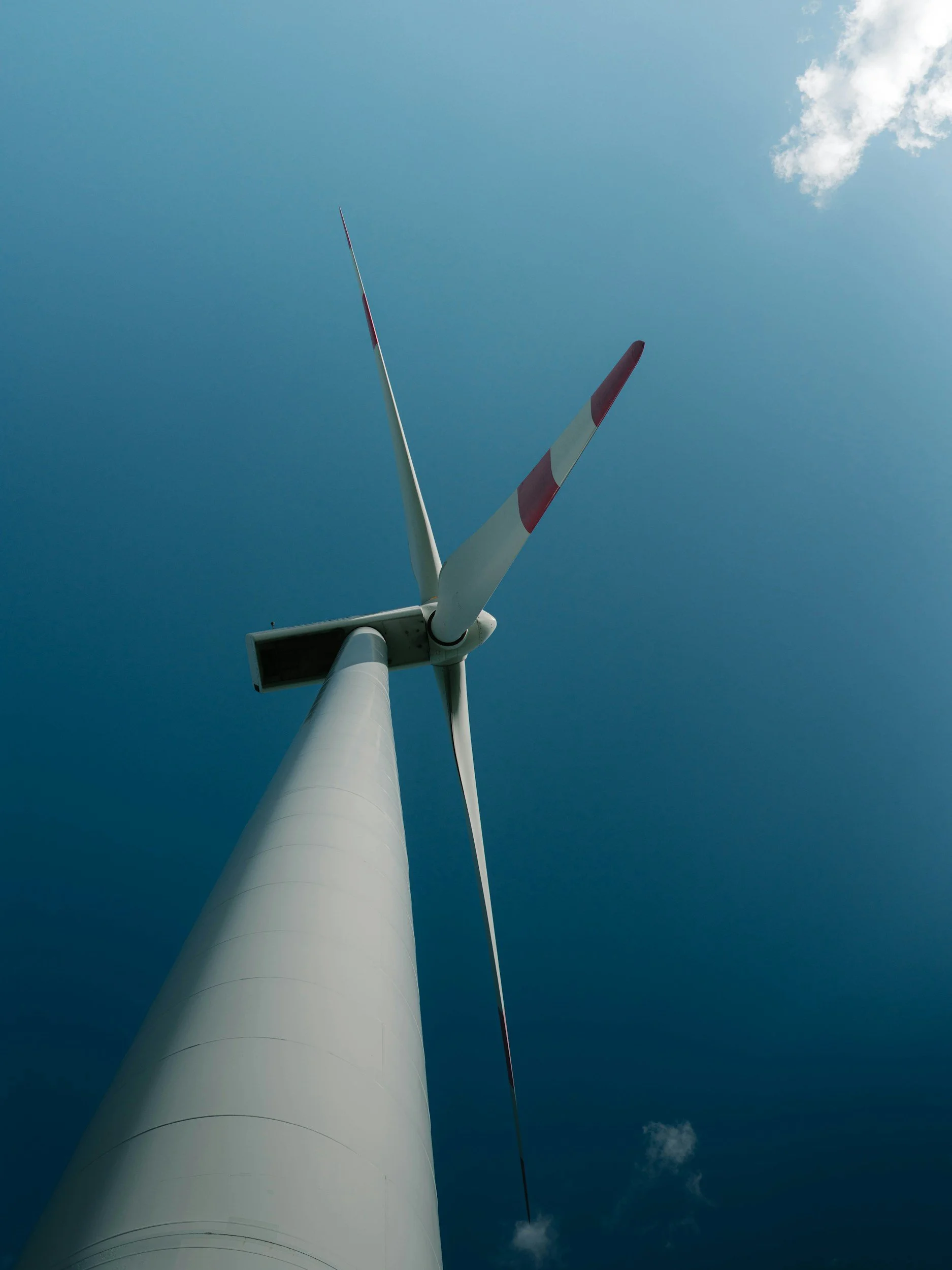
Global Wind Goals, EV Payback & China’s Grip on Minerals
Offshore wind targets are set to triple global capacity by 2030, while new research confirms EVs turn cleaner than gas cars within just three years. Elon Musk hails China’s solar dominance, Sam Altman predicts an AI glut ahead, and new data visualize how much control China holds over the world’s critical minerals.

Musk’s Vision: Tesla’s Cars as a Global AI Network
During Tesla’s Q3 earnings call, Elon Musk floated a concept that could redefine how we think about both data centers and electric vehicles. He suggested that Tesla’s growing global fleet could one day serve as “a giant distributed inference network” — in essence, a data center on wheels.
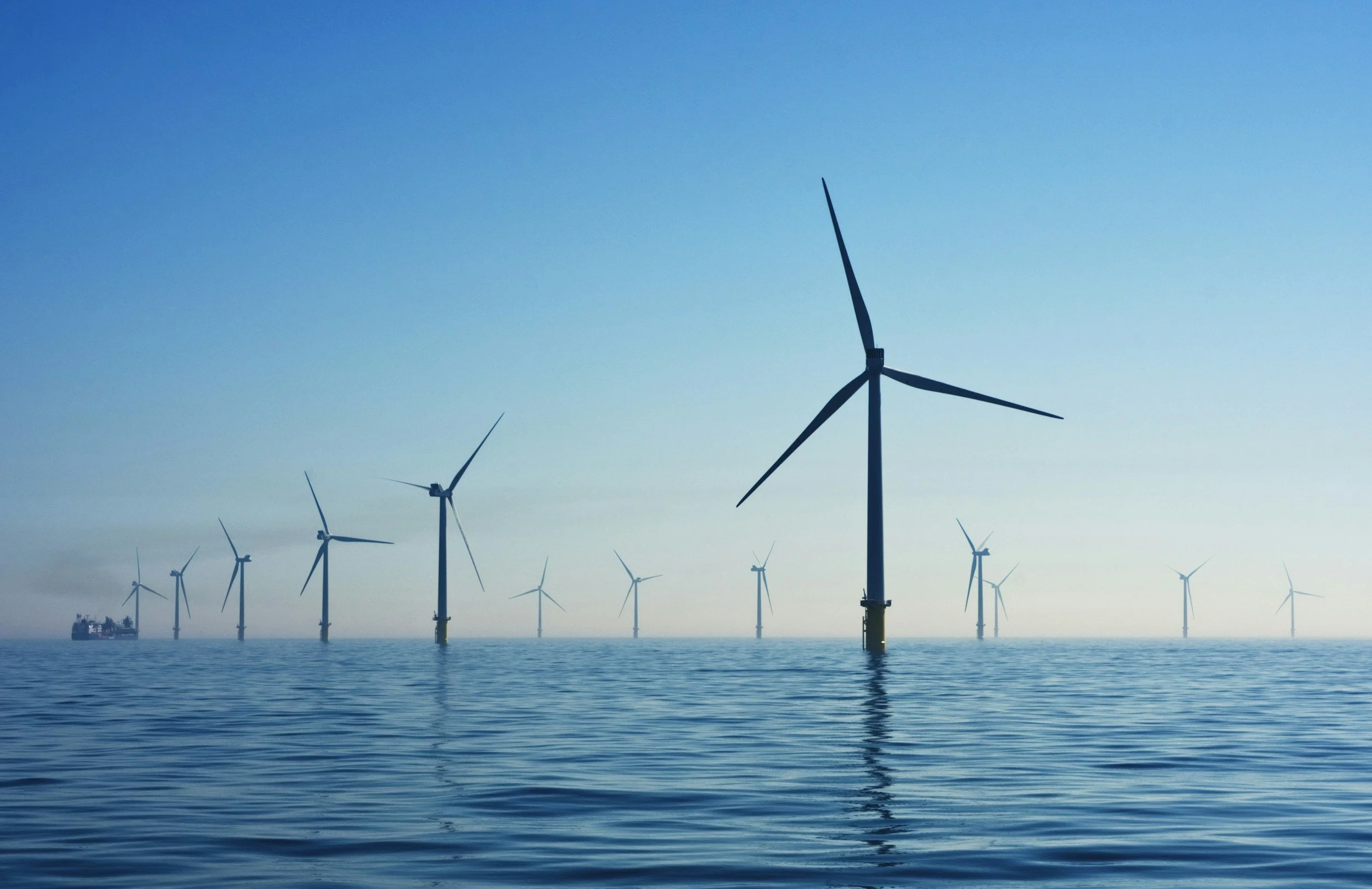
Wind Power Has Saved the UK Over £100 Billion, UCL Study Finds
A new University College London study argues that Britain’s investment in wind power has not only reduced emissions but delivered major financial gains. The analysis, published as a preprint in UCL Open: Environment, estimates that between 2010 and 2023, wind generation provided a net benefit of £104.3 billion to UK consumers.